Youseph
Ibrahim
Structural Geology · Tectonics · Geodynamics
Scroll
Structural Geology · Tectonics · Geodynamics
I am a researcher in structural geology, tectonics, and geodynamics. My work combines field geology with numerical modelling, microstructure, and landscape evolution modelling to investigate the dynamic processes driving lithospheric deformation.
The Earth is a complex system, and studying the evolution of the Earth's landscapes requires complex tools. By combining traditional methods with sophisticated numerical models that leverage the power of modern high-performance computers, we can investigate processes that will help address pressing global challenges such as resource scarcity and climate change resilience.
I also work on FAIR research infrastructure, contributing to the community-driven, open-source StraboSpot ecosystem, which enables researchers to collect, store, and share spatially referenced geologic data across scales, in the field and in the lab.
Thermomechanical and geodynamic experiments run on supercomputers, covering fold-thrust belts, continental rifts, and gravitational collapse.
Under a colder geotherm representative of modern conditions, extension localises into a narrow rift defined by conjugate normal faults that evolve into listric detachments merging at the brittle-ductile transition.
When ductile flow accommodates isostatic adjustment beneath a fold-thrust belt, subsidence is local and large, producing a narrower, less elevated belt with steeply dipping faults and a complex internal architecture.
Convergent gravitational collapse of a deep intracratonic rift basin. The gravitational potential anomaly relaxes inward, simultaneously driving doming in the extensional domain and nappe emplacement in the contractional domain.
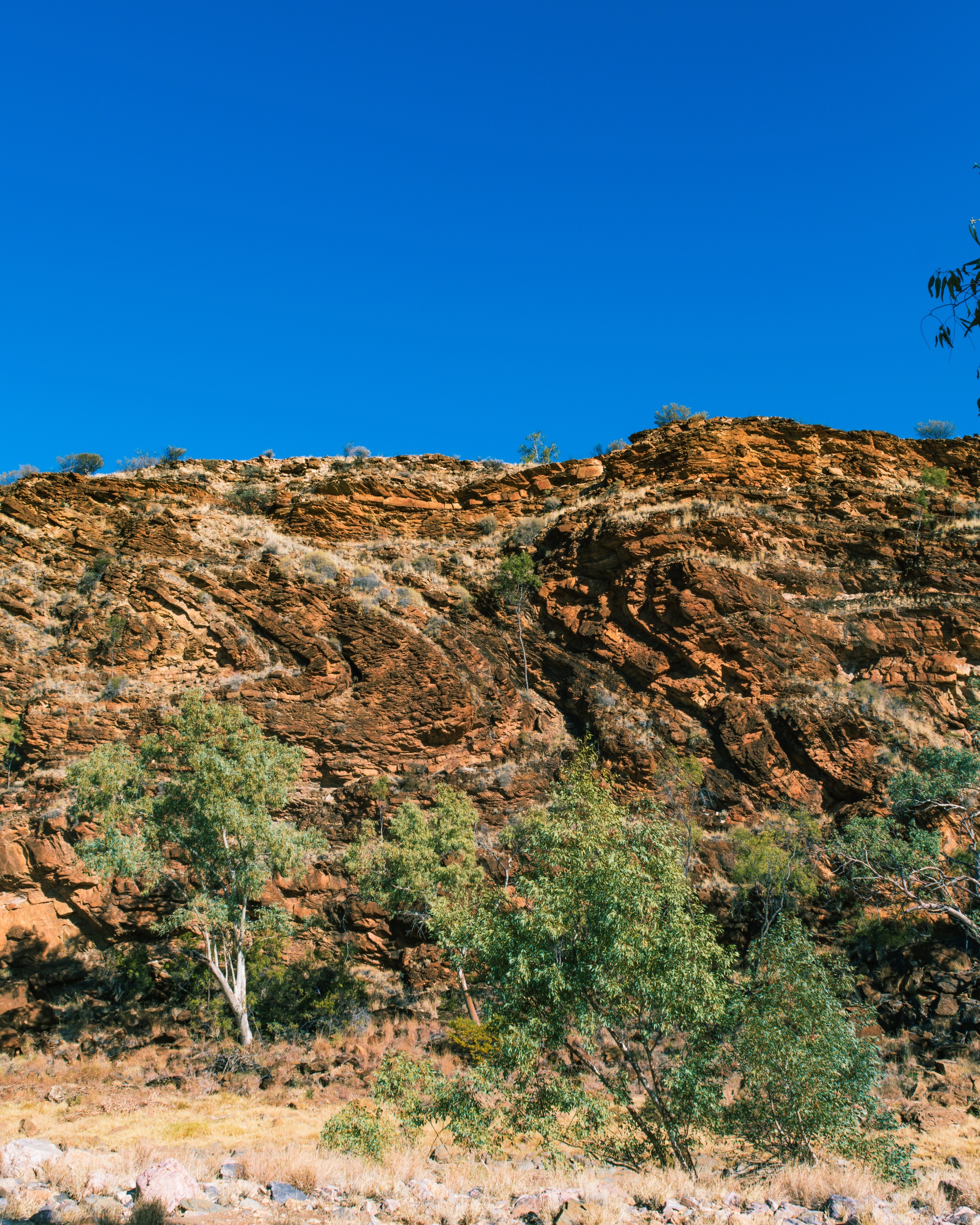
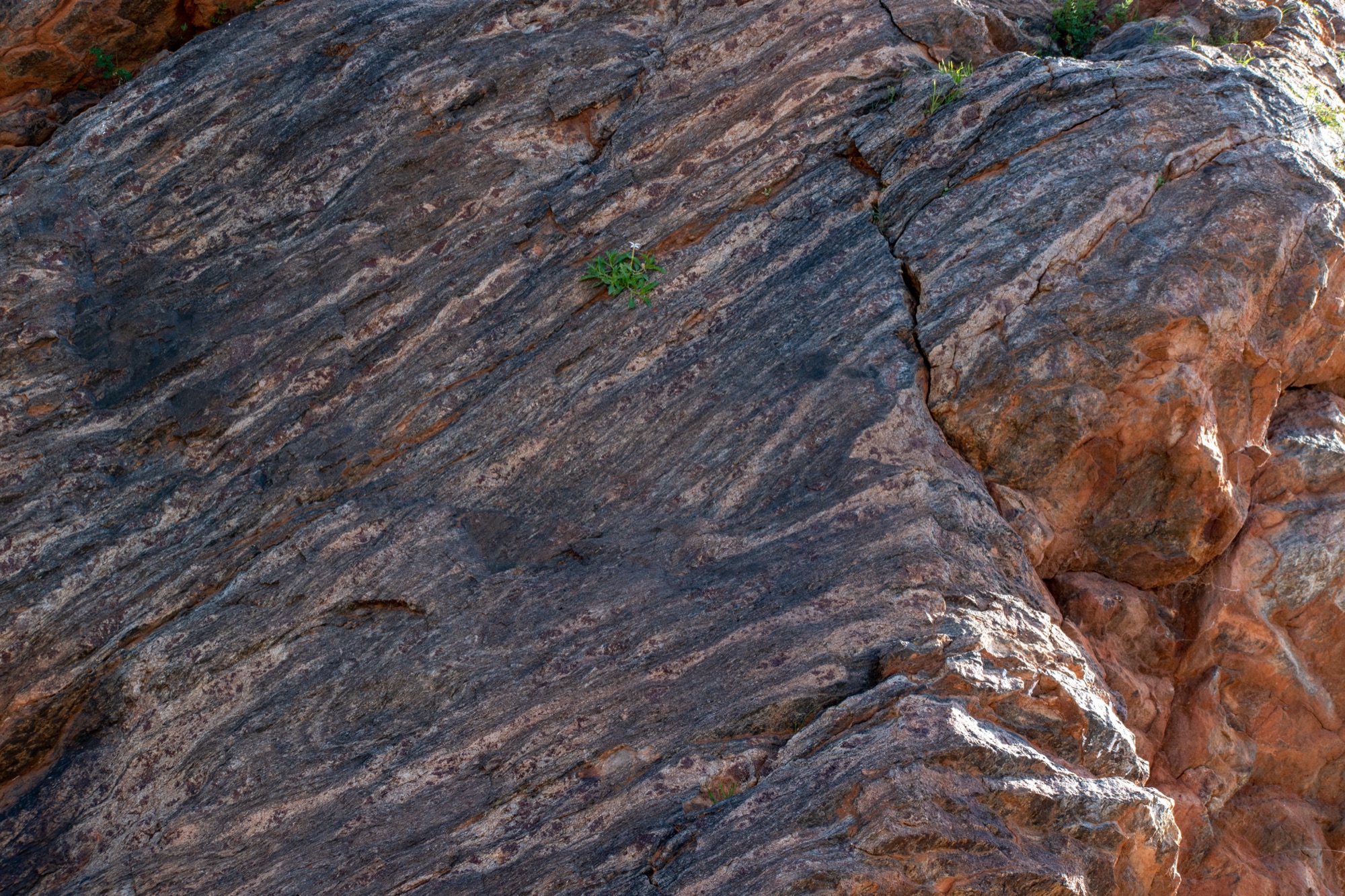
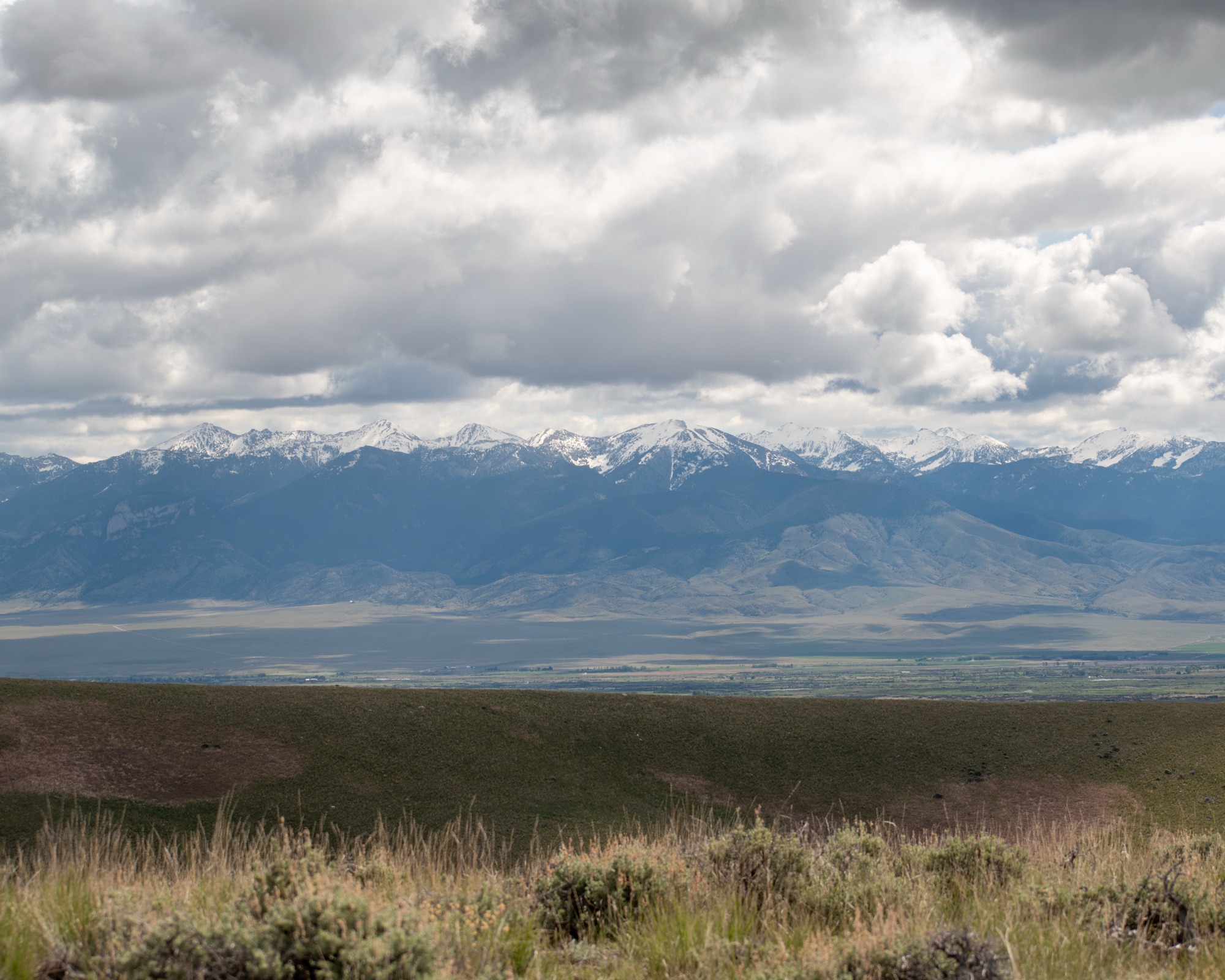
From the Proterozoic terranes of Central Australia to the fold belts of the American Cordillera.